eat the sticky machine: interference
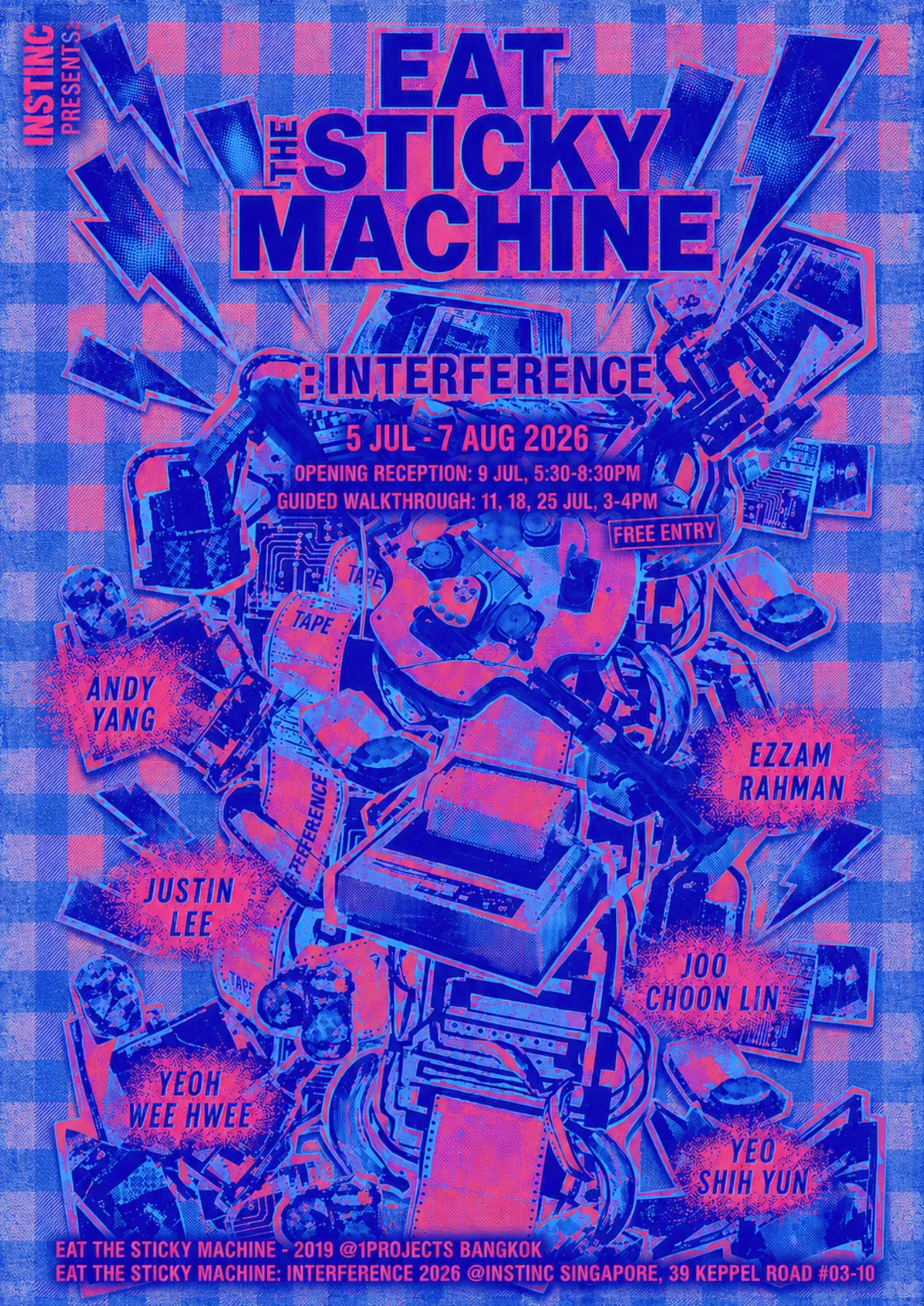
Venue: INSTINC Space, 39 Keppel Rd, #03-10 Tanjong Pagar Distripark, Singapore 089065
Exhibition Duration: 5 July to 7 August 2026 | Wed-Fri, 1PM-7PM. Sat - Sun, 1PM-6PM
Opening Reception: 9 July 2026 (Wed.), 5:30PM–8:30PM | RSVP
Guided Walkthrough: 11, 18, 25 July 2026 (Sat), 3-4PM | RSVP
Exhibition Activations: every Saturday and Sunday, 3PM and 5PM
brief
This July, INSTINC revisits EAT THE STICKY MACHINE, the exhibition first presented in Bangkok in 2019 by Justin Lee, Yeoh Wee Hwee, and Yeo Shih Yun, through a new and altered framework titled EAT THE STICKY MACHINE: Interference.
Rather than a straightforward restaging, this iteration returns to the original exhibition as a point of departure. Joining the project are invited artists Andy Yang, Ezzam Rahman, and Joo Choon Lin, whose works enter into conversation with the exhibition's existing ideas and structures. Their contributions act as forms of interference, introducing new perspectives that both respond to and complicate the concerns explored in the original presentation.
The title Interference refers to moments of interruption and interaction. By placing new works alongside the existing framework, the exhibition creates opportunities for unexpected connections and shifts in meaning. Questions around consumption, materiality, and automation remain present, but are approached through fresh encounters that invite reconsideration rather than resolution.
In revisiting a project from seven years ago, EAT THE STICKY MACHINE: Interference is less concerned with looking back than with testing how an exhibition can continue to evolve over time. The exhibition treats interference not as an obstacle, but as a generative condition through which new relationships and readings can emerge.
featured Artists:
andy yang
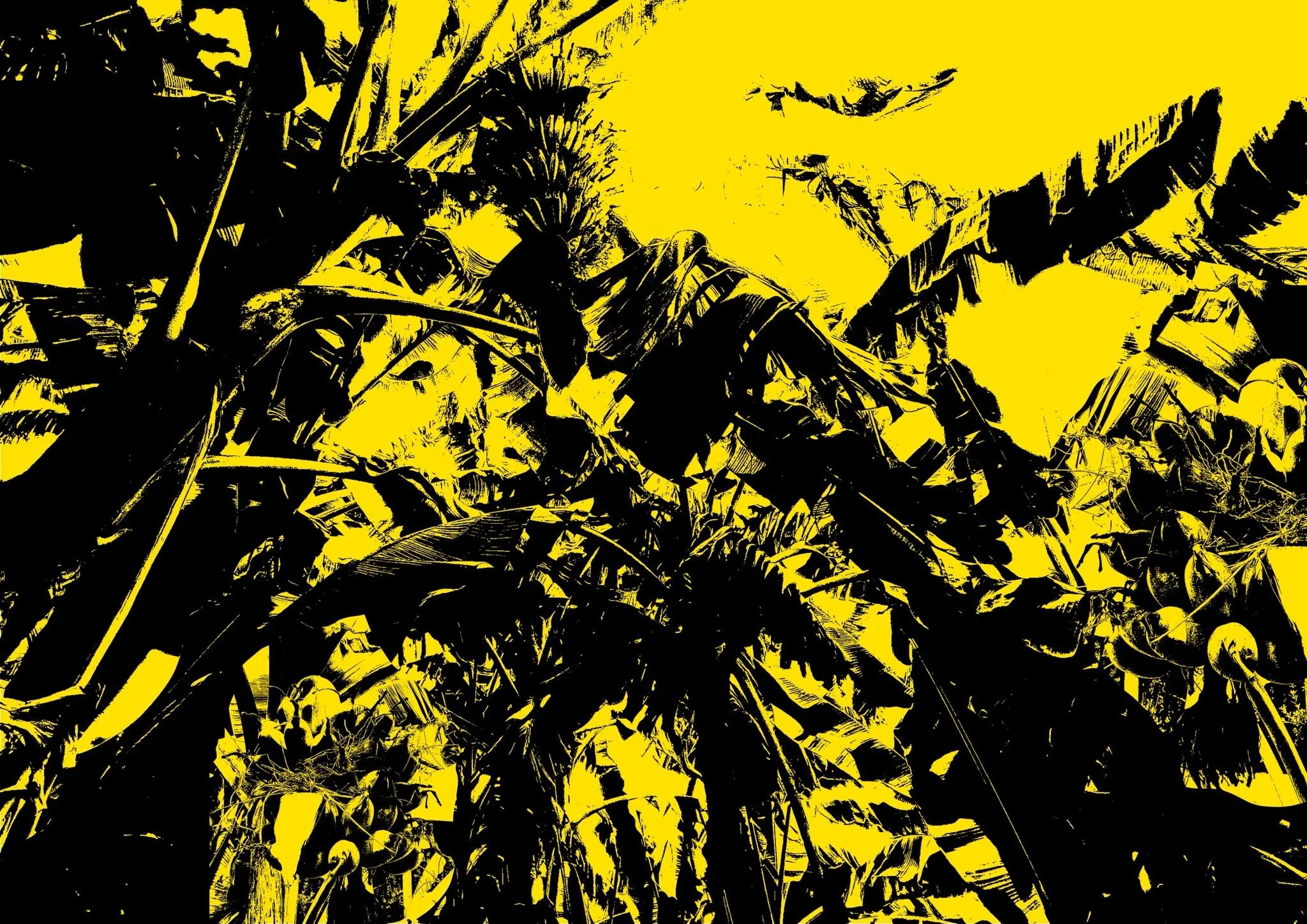
Pisang Awak: A Sweet Subversion takes its cue from a childhood memory in Malaysia, where the phrase pisang awak ("your banana") became the subject of mischievous wordplay among schoolchildren. Presented as a series of nine prints depicting banana plantations, the work channels that youthful irreverence through a Pop Art sensibility. Hidden within the compositions are subtle letterpress embossed phallic forms, inviting viewers to look closely and participate in the search. Through this act of discovery, the work revisits the playful subversions of childhood within a contemporary artistic framework.
ezzam rahman
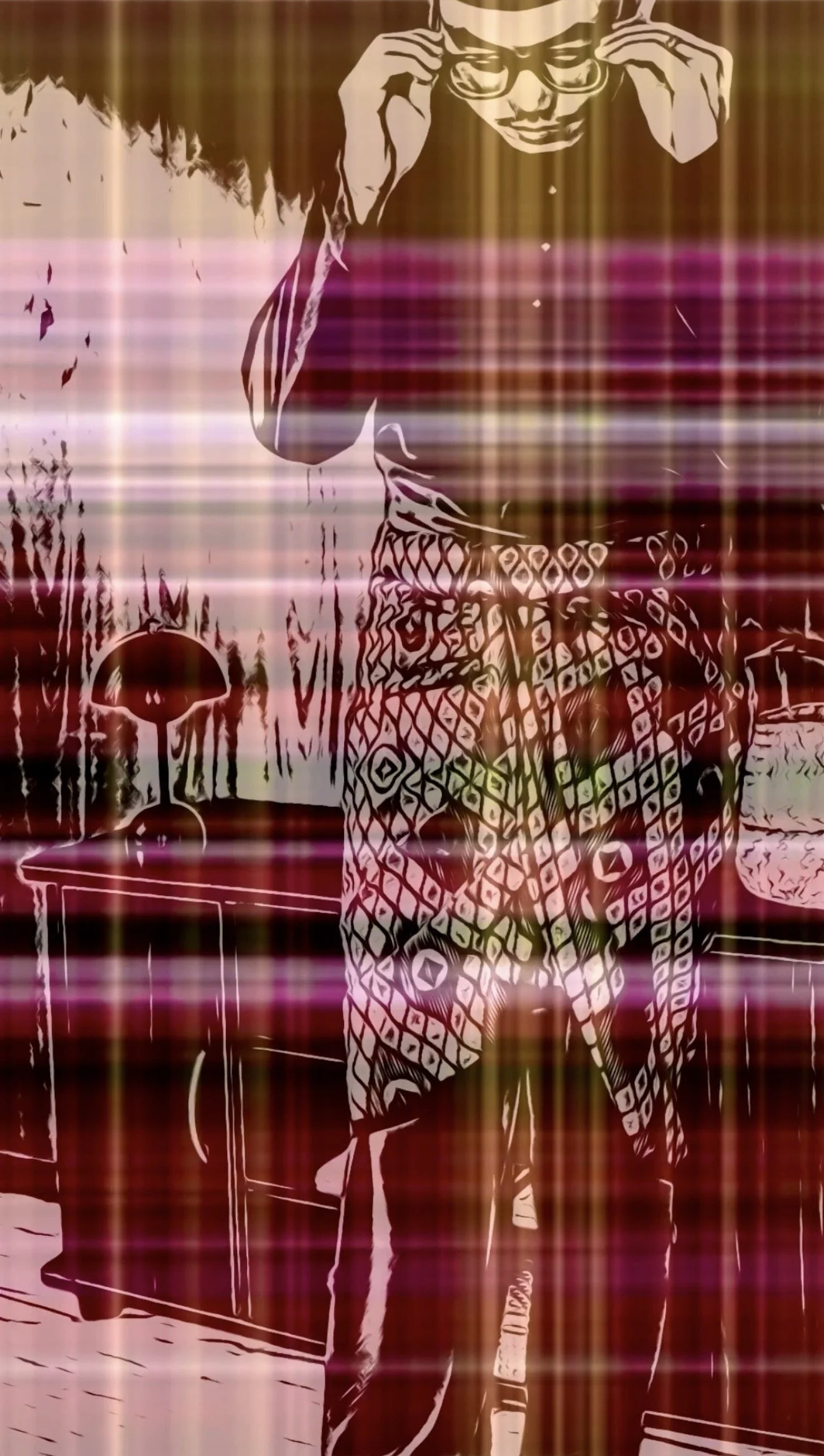
Ezzam Rahman’s practice examines the social meanings embedded within everyday materials, often exploring identity, desire, and cultural perception. This new series responds to the growing visibility of cis male bodies wearing the traditional kain pelikat across social media platforms, where familiar images are increasingly framed through desire and objectification. Through collaged pelikat fabrics on canvas, Rahman reflects on shifting perceptions of masculinity and the body. Layered and knotted, the material reveals and conceals, reclaiming a commonplace garment while questioning the gaze projected onto it.
joo choon lin

Joo Choon Lin’s practice explores the unseen relationships between technology, nature, and consciousness. This work originates from laser scan data collected from a heritage Bodhi tree over a full day and night cycle, capturing subtle shifts in its structure as it responds to changing rhythms of light and water. Translated through a dot matrix printer and multi part carbon paper, the data becomes image, vibration, and sound. The absent tree remains present as a distributed trace, inviting reflection on the invisible forces and rhythms that connect all forms of life.
justin lee
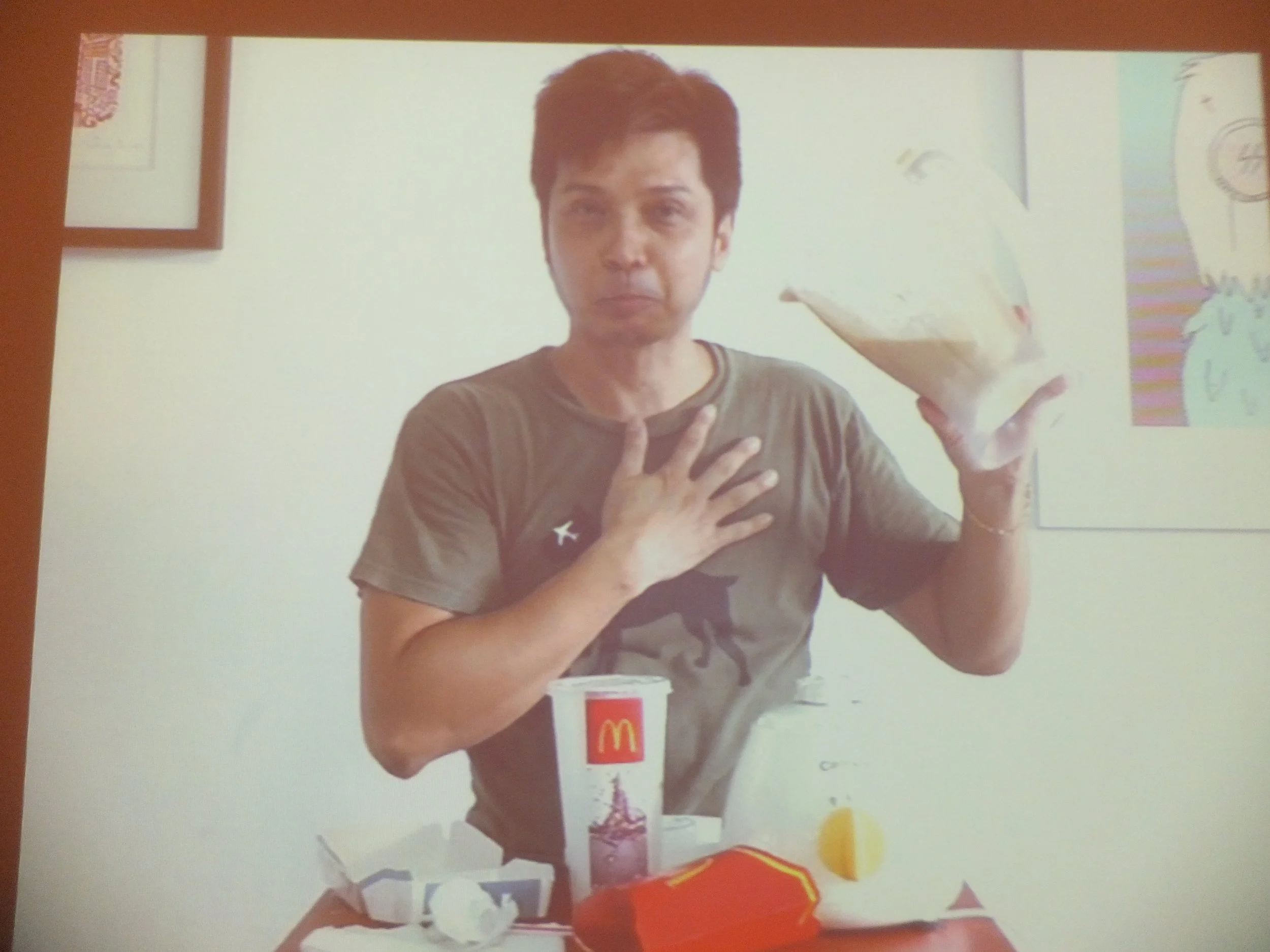
Justin Lee seeks to record everyday life and bring it into his visual arts practice based on cultural perspectives and mistrust of appearances. This series of art practice highlighted how Western consumerism-culture has infiltrated the east and western luxury products. In his recent works, he looked deep into the effects on fast food culture, lifespan of products and its (past) functionality. This ideology is followed by a second lease of life given by people who are able to see a use beyond the previous assigned identity for the object. By questioning the purpose of things through the study of objects; purpose and given-meaning, acceptability in culture, its physical form, material made of and how the usage of object is applied in context of a community.
yeo shih yun
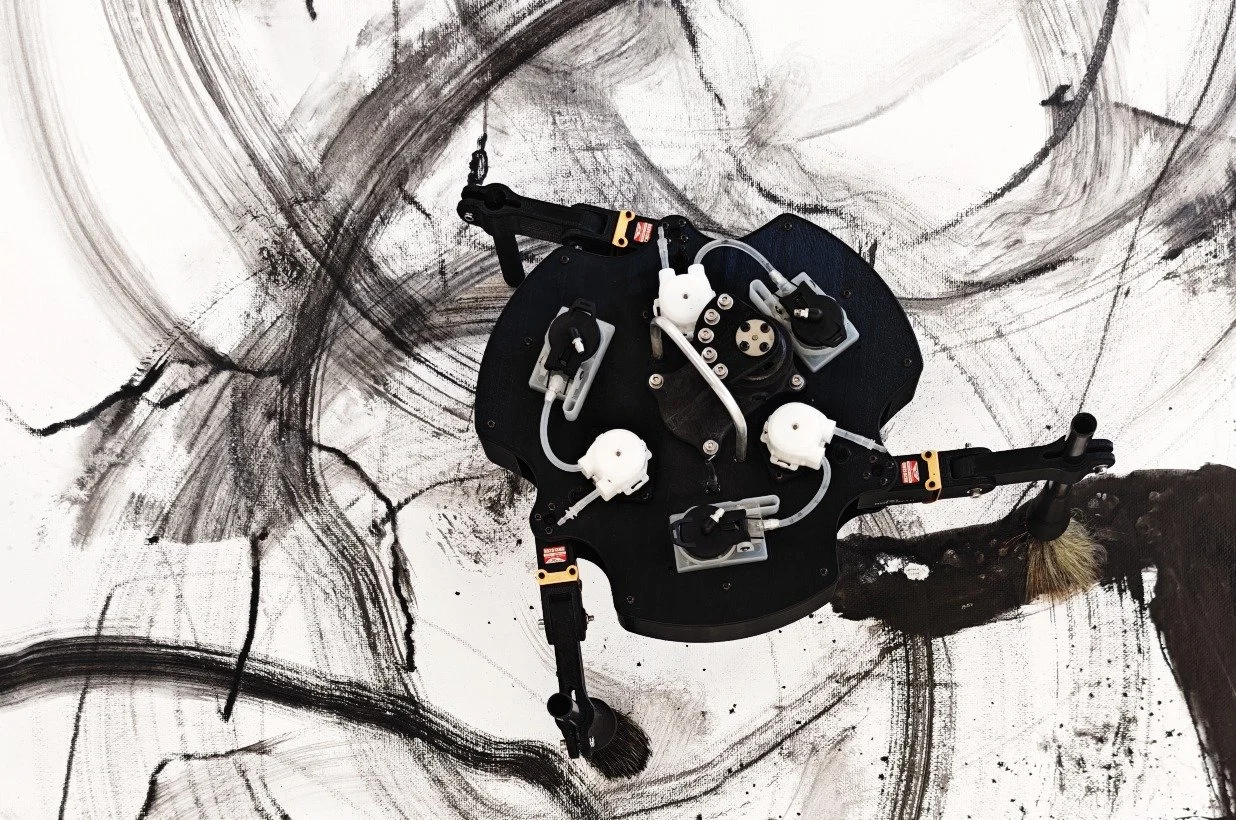
In Beyond the Visible, Yeo steps back and lets the machine take over, challenging the traditional idea that art must be made by the human hand. By using 3D-printed, three-legged robots armed with traditional Chinese ink brushes, she surrenders control. The marks on the page aren't carefully planned; they are the result of the robots’ unpredictable, clunky, and erratic movements—capturing a raw friction between human intent and machine chance. Within this show, Beyond the Visible is about more than just old meeting new. By putting the raw paper scroll, the digital projection, and the plastic prints together, Yeo exposes how deeply we are tied to technology.
yeoh wee hwee
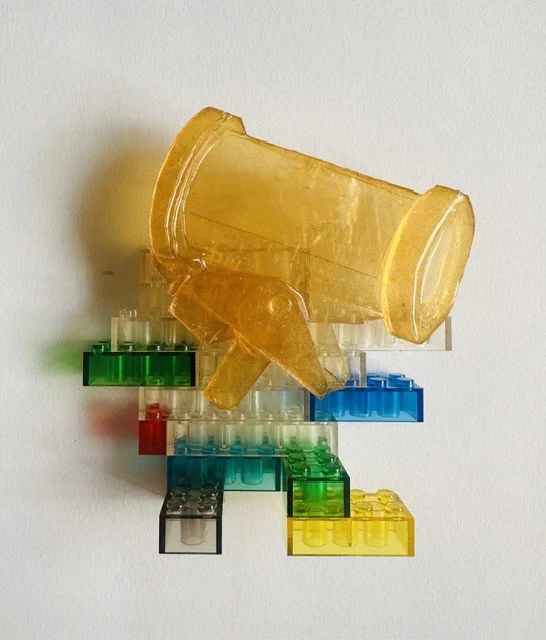
Yeoh Wee Hwee’s practice transforms ordinary objects into fragile carriers of memory and association. Constructed entirely from cellulose tape, the works depict familiar items gathered from personal experience and everyday encounters. Distorted and suspended between recognition and abstraction, these objects occupy a space between the remembered and the forgotten. In i am not a mass product..., the commonplace becomes uncertain, encouraging viewers to consider how meaning is shaped not by the object itself, but by the memories and narratives attached to it.